Timely Steps, Lasting Impact

A stroke is called a cerebralvascular accident (CVA) because nobody actively expects it to happen. Just like any accident, a stroke can happen to you or a loved one. However, the decisions you make during a stroke can save a life and help loved ones in the recovery process.

FAST

Know the acronym. Know the symptoms. Know the action.

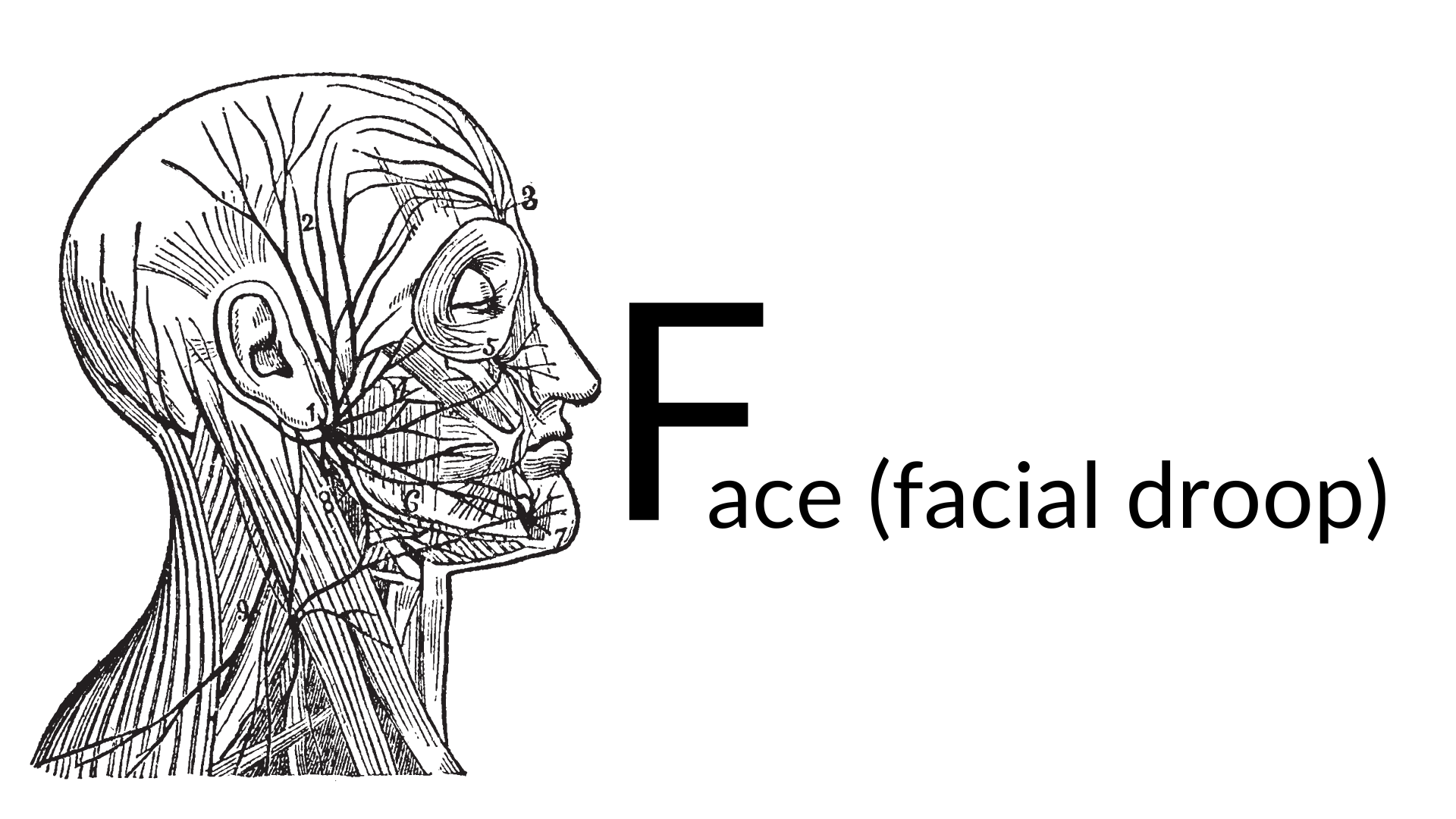
Facial Droop

One side of the face droops or feels numb when the person smiles.
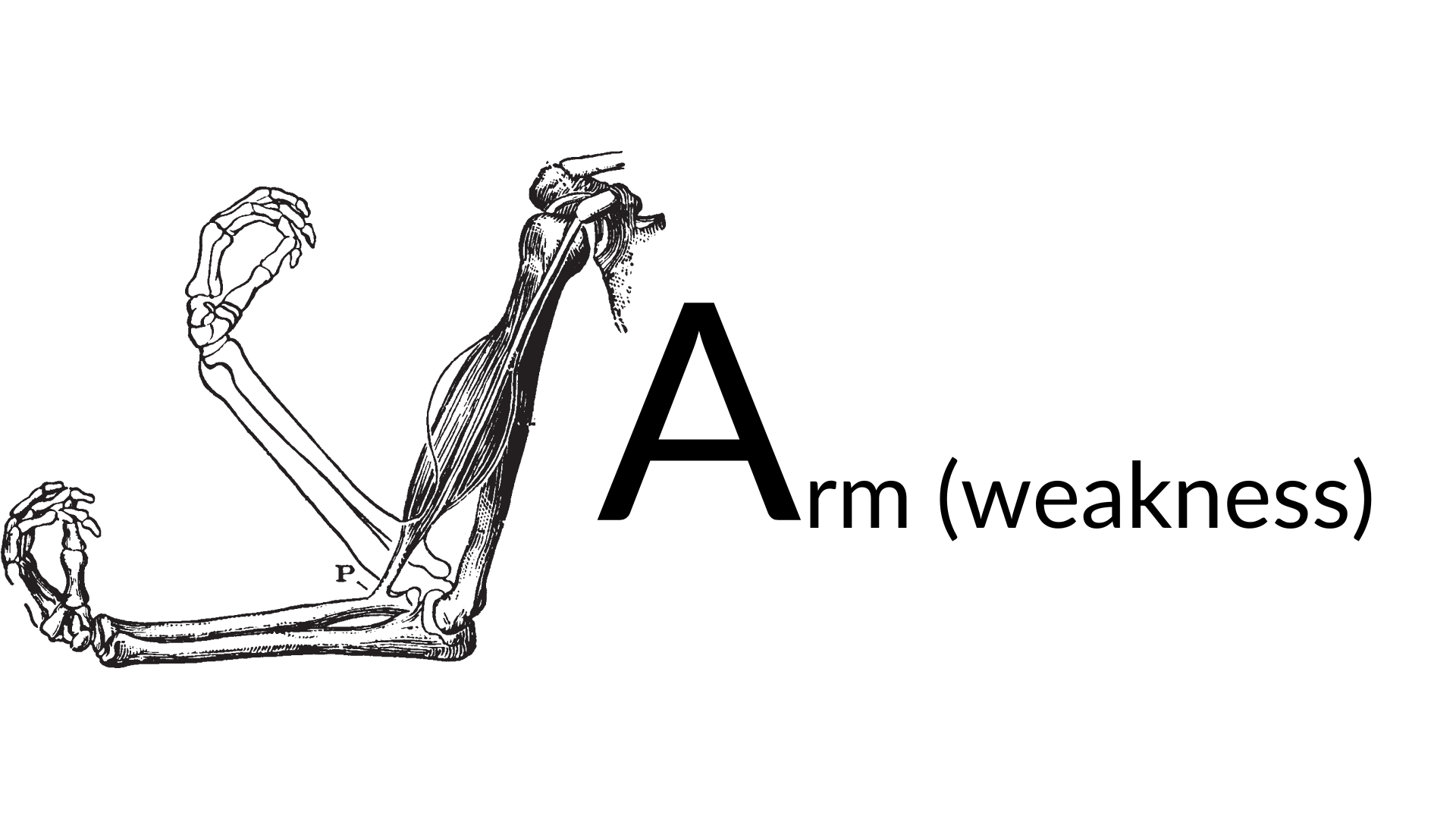
Arm Weakness

One arm is weak or numb and may drift downward when the person tries to raise both arms.
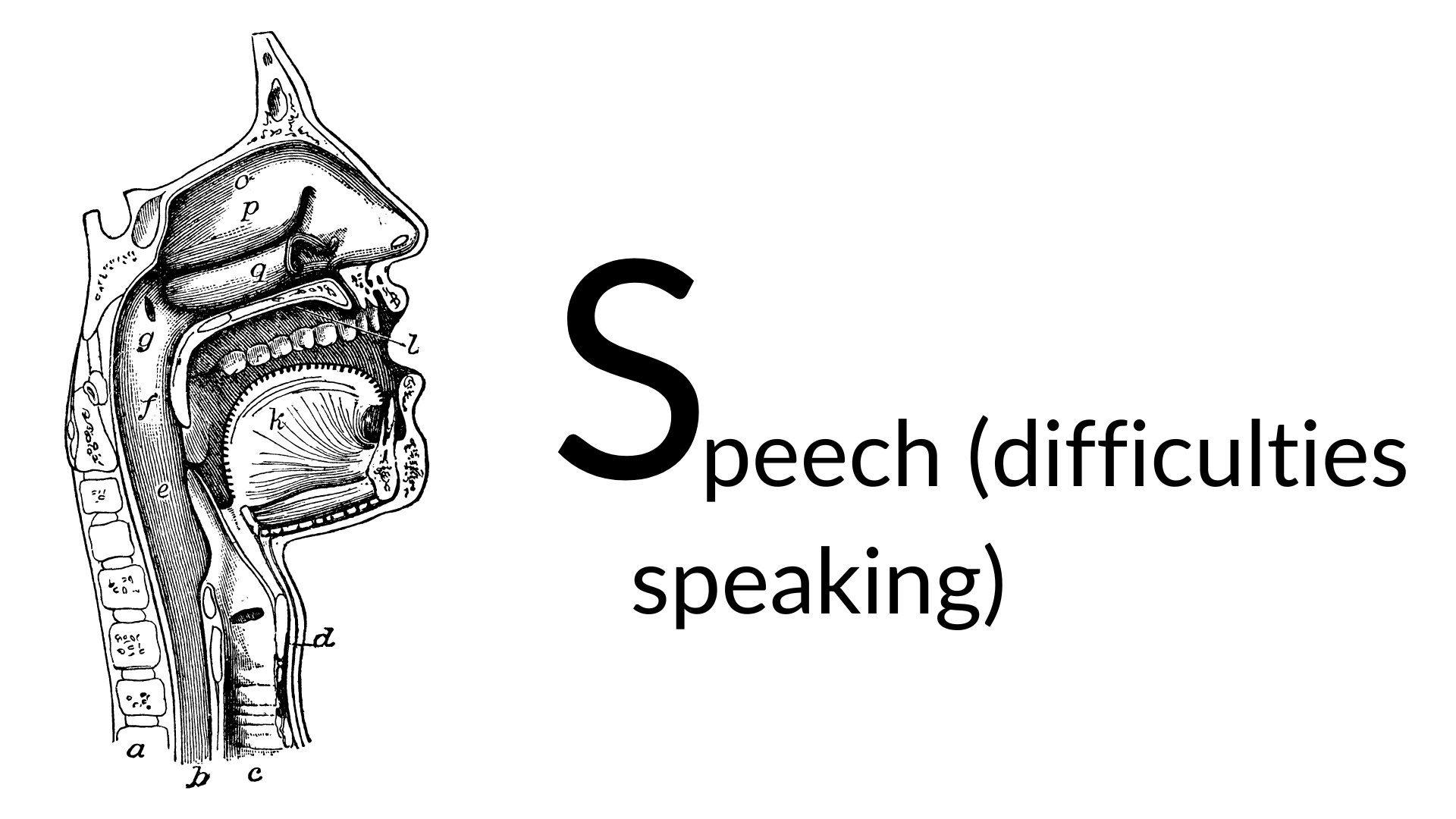
Speech Difficulty

Speech may be slurred, and the person may have trouble speaking or understanding others.
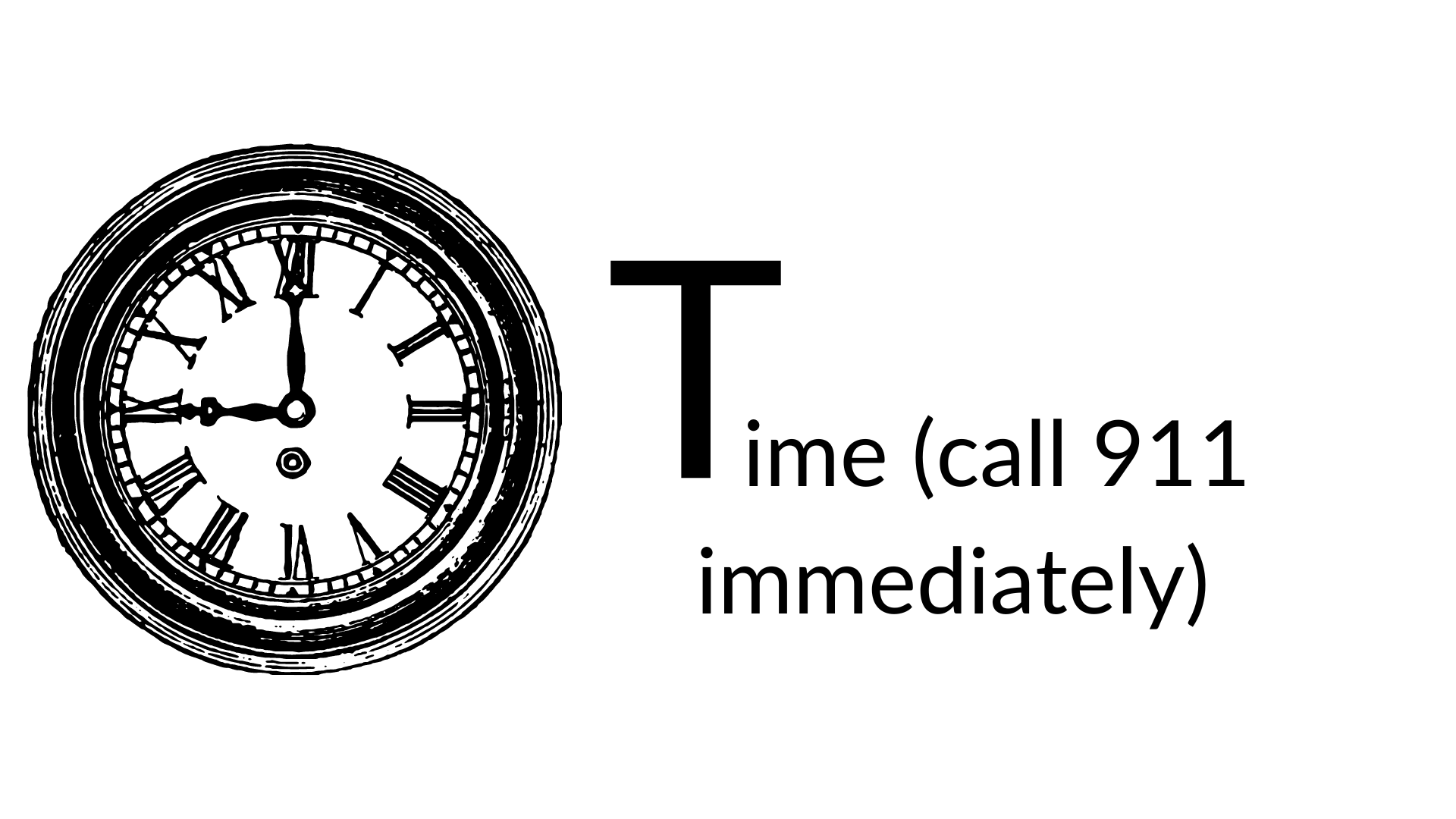
Time to Call 911

If you or a loved one are experiencing any of these symptoms, it's crucial to act quickly:
  1. Call emergency services or the appropriate emergency number in your country immediately. Time is critical in stroke cases, and getting medical help promptly can make a significant difference in the outcome.
  2. Note the time when the symptoms started, as this information can be important for the medical team.
  3. Do not attempt to drive to the hospital yourself. Emergency medical services can provide the necessary care en route and ensure timely arrival at a stroke-ready hospital.
  4. While waiting for medical help to arrive, keep the person calm and comfortable. Help them sit or lie down in a safe position.
  5. Do not give the person anything to eat or drink, as they may have difficulty swallowing due to the stroke.
  6. It’s important to remember that these steps are general guidelines, and each stroke case may vary. Always follow the guidance of medical professionals and emergency services.

Resources

Many hospitals and medical facilities recognize the importance of family support during a loved one’s recovery and offer accommodations or assistance to help families stay close to their hospitalized relatives. While the availability and specific offerings may vary between hospitals, here are some common options that may be available

Ronald McDonald House Charities (RMHC)

  • RMHC provides temporary housing for families with children receiving medical treatment at nearby hospitals, including stroke patients who are children or young adults.
  • These houses offer a supportive and comforting environment, often located close to the hospital, where families can stay at little to no cost.

Hospitality Houses or Family Resource Centers

  • Some hospitals have on-site hospitality houses or family resource centers that provide lodging or assistance to families of patients.
  • These facilities may offer affordable or subsidized accommodations, including rooms or apartments, for families who need to stay close to their loved ones during long-term recovery.

Hospital-affiliated or nearby hotels

  • Some hospitals have partnerships with nearby hotels or have their own hotel-like accommodations on-site to provide lodging for families.
  • These accommodations may offer discounted rates for family members of patients, shuttle services to the hospital, and other amenities to ensure convenience and comfort.

Financial assistance and resources

  • Hospitals and nonprofit organizations may have financial assistance programs or resources available to help families cover lodging expenses during a loved one’s hospitalization and recovery.
  • Social workers or patient advocacy services within the hospital can often provide information and assistance in accessing these resources.

I Am Here...

To Whom It May Concern,

I am writing to express my interest in volunteering to assist stroke victims in their recovery journey. I have personally experienced the challenges of a stroke and would like to offer my support, knowledge, and music to bring comfort and hope to those affected. Additionally, I aim to raise funds to aid patients and their families in starting anew.

Having witnessed the difficulties stroke victims face, I believe education is crucial for prevention. Strokes occur when blood supply to the brain is interrupted, resulting in brain tissue death and varying effects depending on the affected area. Recognizing the signs and taking early action is essential as strokes can affect anyone, anywhere, at any time.

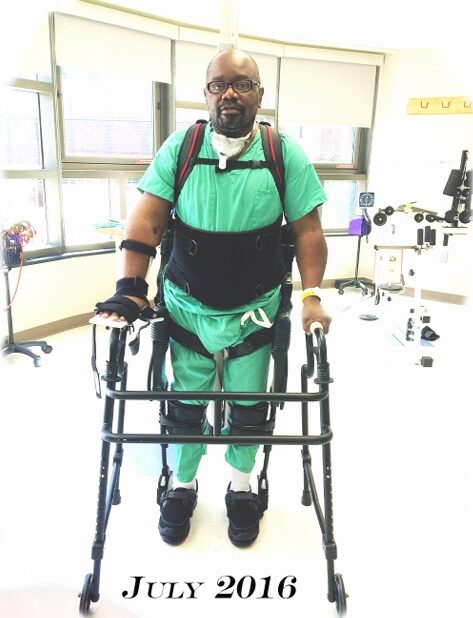
Since my own stroke in 2016, I have been in a continuous recovery process. I feel ready to contribute to early stroke awareness efforts and funding initiatives that benefit individuals of all ages. Strokes are a leading cause of death in the United States, with thousands of lives affected annually.

I would appreciate the opportunity to volunteer and support stroke victims. The funds raised will be directed to the American Stroke Association to assist with transportation costs and provide live music during recovery. Together, we can make a difference in the lives of those affected by strokes.

Thank you for considering my request. I look forward to the opportunity to contribute to this worthy cause.

Sincerely,
Maurice

Client Testimonials

“A testimonial from a client who benefited from your product or service. Testimonials can be a highly effective way of establishing credibility and increasing your company's reputation.”
Client Name
“A testimonial from a client who benefited from your product or service. Testimonials can be a highly effective way of establishing credibility and increasing your company's reputation.”
Client Name
“A testimonial from a client who benefited from your product or service. Testimonials can be a highly effective way of establishing credibility and increasing your company's reputation.”
Client Name